
The Future of Bed Bug Pest Control: Expert Predictions for 2026 and Beyond
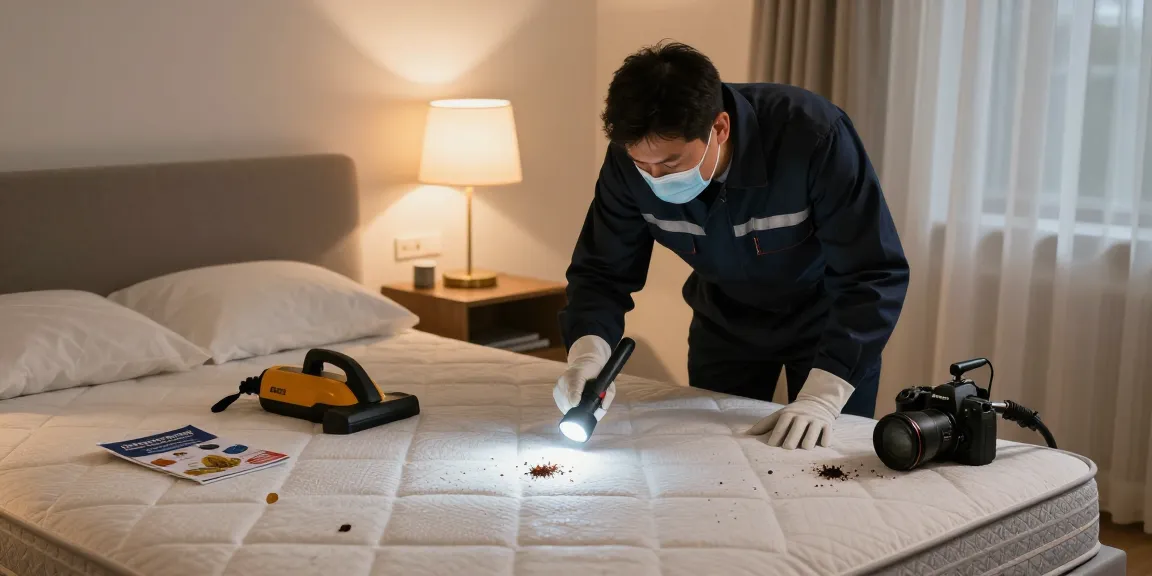
Understanding Bed Bugs: The Basics of Infestation
Bed bugs have become a pressing concern for households and businesses alike, particularly in urban settings. These nocturnal pests can often go unnoticed until the problem escalates, leading to sleepless nights and discomfort. Understanding their biology, behavior, and signs of infestation is crucial for effective bed bug pest control. When exploring options, bed bug pest control services can provide comprehensive insights tailored to your specific situation.
What Are Bed Bugs and How Do They Live?
Bed bugs, scientifically known as Cimex lectularius, are small, flat, reddish-brown insects that feed on human blood. They thrive in environments where people sleep, such as beds, couches, and even luggage. A bed bug typically measures between 1 to 5 millimeters in length, depending on its age and whether it has fed. Their flat bodies allow them to hide easily in cracks and crevices, making detection difficult until a full-blown infestation occurs.
Common Signs of Bed Bug Infestation
Identifying the early signs of a bed bug infestation can save you time and money. Look for:
- Itchy welts: Often found in clusters or lines, these are caused by bites from bed bugs.
- Bloodstains: Small red spots on sheets or mattresses may indicate crushed bed bugs.
- Dark spots: These are bed bug excrement and can appear as small black dots on furniture.
- Eggs and shells: Bed bug eggs are tiny, white, and often located near their hiding spots.
Bed Bug Behavior: Understanding Their Life Cycle
Bed bugs undergo a simple metamorphosis, comprising three life stages: egg, nymph, and adult. A female bed bug can lay up to 500 eggs in her lifetime, with optimal conditions allowing her eggs to hatch in about a week. The nymphs then progress through five molts before reaching adulthood, which can happen in as little as a month under ideal circumstances. This remarkable reproductive capacity is one reason why infestations can grow rapidly if left unaddressed.
Effective Bed Bug Pest Control Strategies
Successfully combating bed bugs requires a multifaceted approach, integrating various treatment methods and preventative strategies. Professional services often provide the most comprehensive solutions, employing a mix of techniques tailored to the severity of the infestation.
Professional Extermination: Heat vs. Chemical Treatments
There are two primary methods for professional bed bug extermination: heat treatment and chemical spraying.
- Heat Treatment: This method involves raising the temperature in the infested area to levels lethal to bed bugs (around 120°F). It’s highly effective, killing bed bugs at all life stages, including eggs. Moreover, heat treatment is eco-friendly and avoids the use of harmful chemicals.
- Chemical Treatments: Utilizing commercial-grade pesticides can create residual barriers that last for up to 120 days. They penetrate hiding spots and ensure complete eradication, although they typically require more preparation and may involve returning for follow-up treatments.
DIY Solutions: What Works and What Doesn’t?
While some homeowners may consider DIY solutions for bed bug control, their effectiveness is often limited. Common DIY methods include:
- Vacuuming: Regular vacuuming can help remove bed bugs and their eggs from surfaces.
- Essential Oils: Some homeowners use essential oils like lavender or tea tree oil; however, they typically lack the potency necessary for full eradication.
- Non-toxic Sprays: Commercial non-toxic sprays may kill individual bugs but are ineffective against established infestations.
Ultimately, professional services remain the most effective way to ensure complete removal.
The Importance of Preventative Measures in Pest Control
Preventative measures can significantly reduce the risk of a bed bug infestation. These include:
- Regularly inspecting your home, particularly in areas where you sleep.
- Using mattress and pillow encasements to trap and prevent bed bugs from infesting bedding.
- Avoiding the purchase of used furniture without thorough inspection.
- Being vigilant in public areas, keeping bags off the floor, and regularly washing clothes after traveling.
Choosing the Right Bed Bug Exterminator
With many options available, selecting an appropriate extermination service can be daunting. Here are vital considerations to help you make an informed choice.
Key Qualifications of a Reliable Pest Control Service
Look for pest control companies that are:
- Licensed and Insured: This ensures they meet state regulations and standards in pest management.
- Experienced: Companies that specialize in bed bugs typically have more success due to their focused expertise.
- Educated Staff: Ensure that their technicians are trained in the latest techniques and technologies.
Customer Reviews: What to Look For?
Checking customer testimonials can provide insights into the company’s effectiveness and reliability. Look for:
- Overall satisfaction ratings.
- Details on the treatment process and outcomes.
- Response times and follow-up services.
Understanding Costs: What You Should Expect
Costs for bed bug pest control can vary widely based on:
- The magnitude of the infestation.
- The chosen method of extermination.
- Any follow-up treatments required.
Generally, chemical sprays tend to be more affordable upfront but may require repeated applications, while heat treatments might seem costlier but provide a rapid solution for immediate peace of mind.
Real-World Case Studies: Success Stories in Bed Bug Extermination
Case Study: An Apartment Complex Successfully Treated
A recent case involved an apartment complex experiencing widespread bed bug infestations. The extermination team employed a combination of heat and chemical treatments over several weeks. Initial treatments eliminated over 90% of the bugs, and follow-ups ensured complete eradication within two months. This multidisciplinary approach proved effective in a challenging environment.
Client Testimonials: Experiences and Insights
Many customers have shared their positive experiences after hiring professional services. Common sentiments include:
- Relief from discomfort and sleepless nights.
- Appreciation for the thoroughness and professionalism of service staff.
- Gratitude for follow-up support and guidance on preventative measures.
Analyzing Treatment Effectiveness Over Time
Analysis of treatment effectiveness can shed light on best practices in pest control. Tracking the aftermath of treatments over several months often reveals:
- Long-term resilience of chemical treatments, with high levels of effectiveness extending past initial applications.
- The durability of heat treatments, often requiring less maintenance post-treatment.
Future Trends in Bed Bug Pest Control
The landscape of pest control is evolving, with new technologies and methods on the horizon. Staying ahead of trends is essential for effective management.
Innovative Technologies in Pest Management
Emerging technologies include:
- Smart Traps: Devices equipped with sensors can detect bed bug presence and alert homeowners.
- Integrated Pest Management (IPM): A holistic approach combining multiple techniques for sustainable pest control.
Anticipating Regulatory Changes and Their Impact
As awareness of bed bugs grows, regulatory agencies may introduce stricter guidelines and standards for pest control professionals, improving overall service quality and consumer protection.
Emerging Best Practices for 2026 and Beyond
The future will likely see advancements in eco-friendly pest control solutions, emphasizing sustainability and public health. Continuous education for pest control professionals in the latest techniques will remain crucial for effectiveness.
What are the most effective methods for bed bug pest control?
According to experts, a combination of heat treatments and chemical sprays often yields the highest success rates, particularly when tailored to specific infestations.
How do I know if my home has a bed bug infestation?
Common indicators include bite marks, bloodstains, and the presence of bed bug excrement. Regular inspections can help detect infestations before they spread.
Are chemical treatments safe for pets and children?
While many professional treatments are designed to be safe, it’s essential to discuss any concerns with your exterminator to ensure the safety of all household members.
How long does a bed bug extermination treatment take?
Most treatments can be completed in a single day, though follow-up sessions may be necessary to ensure complete elimination.
What should I do after my bed bug treatment is completed?
Follow the exterminator’s guidance, maintain cleanliness in sleeping environments, and watch for signs of re-infestation to ensure long-term effectiveness.