Master the Art of AI: Image to Prompt Generator for 2026 Innovation
Understanding the Image to Prompt Generator
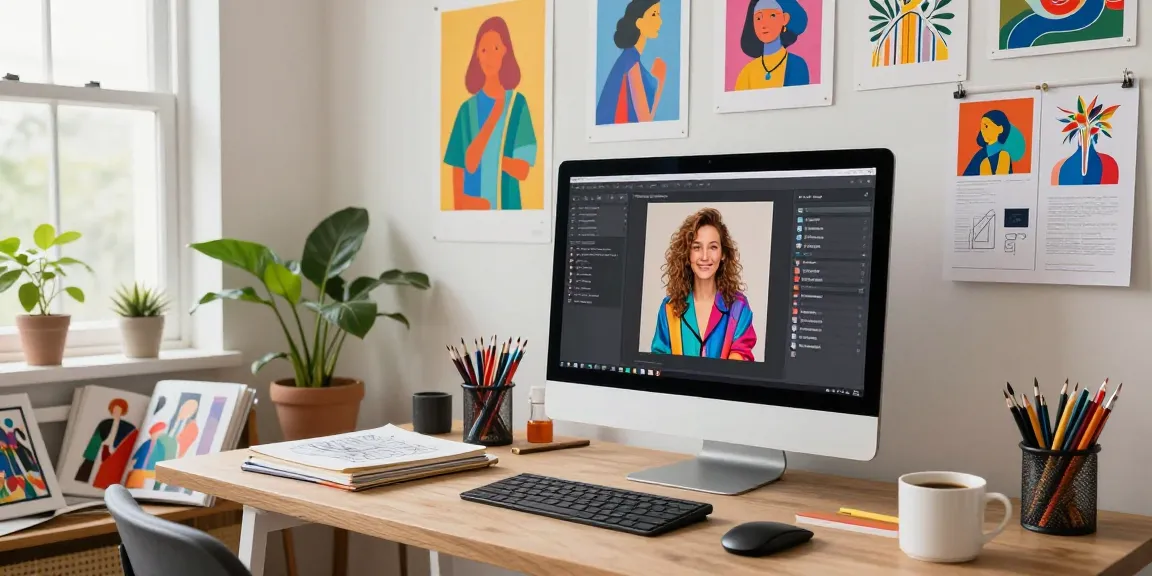
The creative world is undergoing a transformation with the advent of artificial intelligence, and one of its most exciting tools is the image to prompt generator. This innovative technology allows users to convert images into detailed text prompts, enabling artists and designers to unlock new creative possibilities. In this article, we will explore what an image to prompt generator is, how it works, and the myriad benefits it offers to creators across various industries.
What is an image to prompt generator?
An image to prompt generator is a sophisticated AI tool designed to bridge the gap between visual inspiration and textual storytelling. By analyzing the intrinsic components of an image—including subject matter, composition, lighting, style, and emotional tone—the generator can produce a descriptive text prompt. This prompt serves as a guide for AI art generators like Midjourney, Stable Diffusion, and Flux, facilitating the recreation of similar visuals or the development of new artistic concepts.
How does the image to prompt generator work?
The mechanics behind an image to prompt generator involve advanced algorithms that deconstruct the visual elements of an uploaded image. The process typically involves several key steps:
- Upload an Image: Users can easily upload images in formats such as JPEG, PNG, or WEBP.
- AI Analysis: The AI evaluates various characteristics of the image, including color usage, shapes, and themes.
- Prompt Generation: Based on the analysis, the tool generates a text prompt, carefully structured for specific AI models.
This sophisticated approach ensures that the generated prompts are not only relevant but also tailored to maximize performance across different AI models.
Benefits of using an image to prompt generator
The use of an image to prompt generator offers numerous advantages:
- Enhanced Creativity: Artists can generate fresh ideas based on existing visuals, fostering creativity and innovation.
- Efficiency: The generator speeds up the creative process by providing instant prompts, allowing artists to focus more on execution rather than ideation.
- Model Optimization: Each AI model has unique requirements; a generator that tailors prompts to specific models improves the chances of favorable outcomes.
How to Use Our Image to Prompt Tool Effectively
Step-by-step guide to uploading images
Using our image to prompt tool is straightforward. Here’s how you can make the most of it:
- Visit the Upload Section: Navigate to the image upload area of the tool. You can either drag and drop images or click to browse your files.
- Select Your Image: Choose an image you want to analyze, ensuring it meets the file size limit of up to 4MB.
- Await Processing: Once the image is uploaded, the AI begins its analysis, which typically takes just a few seconds.
Selecting the appropriate AI model for your needs
Different AI models have specific strengths, and selecting the right one can greatly influence your results. Here are the models currently supported:
- Nano Banana: Best for creative and quirky prompts.
- Midjourney: Ideal for artistic styles requiring poetic descriptions.
- Stable Diffusion: Focuses on precise keyword weighting for technical accuracy.
- Flux: Optimized for state-of-the-art outputs.
By understanding the strengths of each model, you can choose the one best suited for your artistic vision.
Optimizing prompts for different AI art generators
Creating effective prompts isn’t just about the words; it’s about context and clarity. When customizing your prompt for different AI models, consider:
- Language Style: Ensure the prompt aligns with the stylistic preferences of the chosen model.
- Content Relevance: Focus on key elements from the image that are essential for successful reproduction.
- Iterative Refinement: Don’t hesitate to adjust your prompts based on the outputs you receive, refining them for better results.
Unlocking Creativity with AI Prompts
Deconstructing visuals into actionable text
One of the most powerful aspects of an image to prompt generator is its ability to break down complex visuals into clear, actionable instructions. This process aids artists in translating their visual ideas into descriptive prompts that resonate with AI models. For example, if you upload an image of a sunset over a mountain range, the AI might generate a prompt emphasizing colors, mood, and scene details, such as “a vivid orange sunset casting shadows on rugged peaks,” ensuring that the resulting AI-generated images are rich in detail and authenticity.
Case studies: Artists who have excelled with AI-generated prompts
Numerous artists have harnessed the power of image to prompt generators to enhance their work. For instance, a digital artist known for landscape illustrations used the tool to generate prompts from photographs of nature. By integrating the generated prompts into their creative workflow, they were able to explore new styles and compositions, ultimately enhancing their portfolio and expanding their client base.
Exploring multi-model prompts for diverse outputs
AI artists often seek diverse outputs to appeal to different audiences or platforms. Utilizing an image to prompt generator allows for the creation of multi-model prompts. For instance, a single reference image can yield different prompts tailored for Midjourney, Stable Diffusion, and more, enabling artists to explore various interpretations of the same concept. This versatility is crucial in a space where creative differentiation is key to success.
Addressing Common Questions and Misconceptions
Can I use images from old photos or sketches?
Yes, our image to prompt generator allows you to upload old photos or sketches as input. The AI analyzes the core elements of the image to produce a prompt that reflects the original artwork’s intent. This functionality is particularly useful for artists looking to reinterpret their past works in new contexts.
Do I need to pay to use the image to prompt generator?
Our image to prompt generator is designed to be free and accessible to all users. There are no hidden fees or subscription plans, allowing anyone to explore and enhance their creative projects without financial constraints.
How accurate are the generated prompts?
The accuracy of generated prompts largely depends on the quality of the input image and the chosen AI model. Our advanced AI analyzes images at a granular level, offering prompts that are typically highly descriptive and relevant. However, some iterations may require refining, as different models interpret prompts uniquely.
The Future of AI in Art Generation
Emerging trends and technologies in 2026
As we look towards 2026, the convergence of AI and artistic expression continues to evolve. Future enhancements in image to prompt technology may include even greater contextual understanding and the ability to generate prompts based on user-defined styles or themes. We anticipate advancements in interactive tools that allow for real-time adjustments to prompts, providing artists with an unprecedented level of control over their AI-generated outputs.
The growing importance of privacy and speed in AI tools
Privacy remains a critical issue in AI technology. Our image to prompt generator is built on a privacy-first architecture, ensuring that uploaded images are processed securely and discarded immediately after analysis. Coupled with our high-speed inference engine, users can expect quick results without compromising their creative assets. The focus on speed allows artists to maintain their creative momentum, making adjustments as needed without long wait times.
Connecting AI art generation to other creative fields
As AI tools become more integrated, the potential to connect art generation with other creative fields such as video production, graphic design, and even literature grows. For instance, the use of image prompts in video generation could lead to the creation of narrative-driven content that is both visually stunning and thematically sound. This convergence opens exciting new avenues for collaboration among artists, designers, and content creators.