
Expert Solutions for Leak in Concrete Floor: Comprehensive Guide for 2025
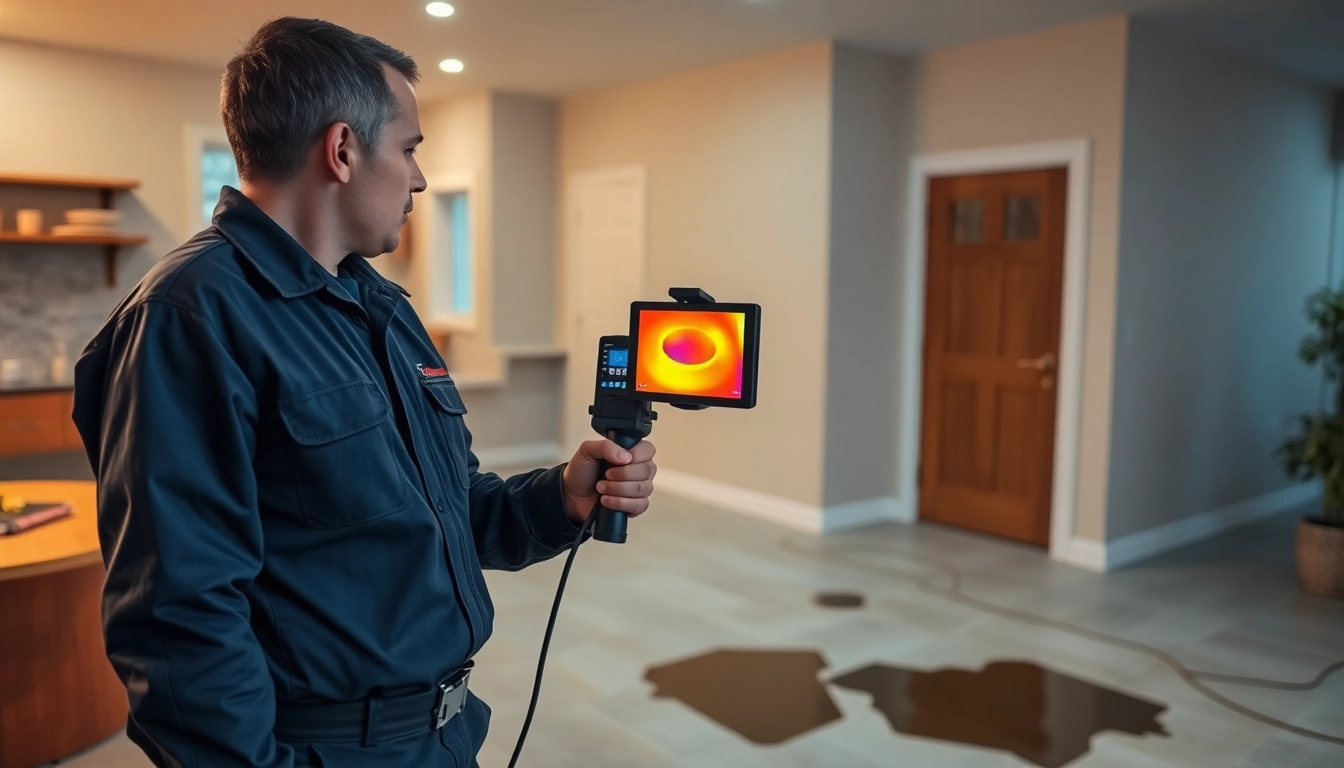
Understanding the Causes of Leak in Concrete Floor
Leaks in concrete floors, particularly slab leaks, can be a homeowner’s nightmare. Often, these leaks originate from plumbing pipes situated beneath the concrete slab foundation, which typically house copper water lines. Over time, various factors can lead to these pipes corroding or deteriorating, resulting in significant water damage if not addressed promptly. Understanding the underlying causes of leaks in concrete floors can help mitigate extensive damage and costly repairs.
Corrosion and Deterioration of Pipes
One of the primary causes of leaks in concrete floors is the corrosion of pipes. Factors like age, soil acidity, and even the quality of the water can contribute to the deterioration of metal pipes. For instance, copper pipes, while durable, can corrode over time due to chemical reactions with the soil or water contaminants. This corrosion leads to pinhole leaks, which may not be immediately noticeable but can cause substantial water loss over time.
Soil Shifts and Foundation Settling
Another significant factor contributing to leaks in concrete floors is soil shifts and foundation settling. Natural events like heavy rainfall or prolonged periods of drought can cause the ground to expand or contract. As the foundation of the home shifts, the pressure exerted on the plumbing can lead to cracks or breaks in the pipes, resulting in leaks. Detecting these leaks early on is crucial, as they can lead to more substantial structural issues if left unchecked.
Poor Installation Practices
Inadequate installation of plumbing systems can also result in leaks in concrete floors. If pipes are not properly laid out or secured, they can rub against hard surfaces or experience undue stress, leading to failure over time. Homeowners should ensure that installation is performed by qualified professionals to minimize the chances of such issues arising.
Signs Indicating a Leak in Concrete Floor
Recognizing the signs of a potential leak in concrete floors is critical for early intervention and repair. Homeowners should be vigilant about monitoring their property for specific indicators that may point to hidden leaks. By identifying these signs early, property owners can prevent extensive damage to their home.
Unexplained Moisture and Dampness
One of the most telling signs of a leak is unexplained moisture or dampness in certain areas of the home. Homeowners may notice water pooling on floors, particularly in areas adjacent to walls or fixtures, even when there are no obvious spills or leaks. This moisture not only indicates a potential leak but can also lead to problems such as mold growth and wood rot if left untreated.
Increased Utility Bills
A sudden spike in water bills can also serve as a warning sign of a hidden leak. If your water usage remains consistent yet your bill continues to rise, it’s essential to investigate further. Leaks can cause continuous water flow, affecting overall consumption and costing homeowners additional money.
Sound Detection: Water or Gas Escaping
Utilizing sound detection methods can also help identify leaks in concrete floors. Homeowners can listen for the telltale sound of water trickling under the floor or gas escaping from pipes. Advanced leak detection companies often use specialized equipment like acoustic listening devices to pinpoint these sounds even when the leaks are buried under layers of concrete.
Precise Leak Detection Techniques
Identifying the exact location of leaks is critical in resolving the issue efficiently. Various advanced detection techniques can minimize disruption and ensure accurate results when dealing with leaks in concrete floors. These methods not only enhance the effectiveness of the detection process but also streamline repair efforts.
Using Thermal Imaging for Accurate Detection
Thermal imaging cameras have become an invaluable tool in the detection of leaks. By identifying temperature variations within the concrete slab, technicians can locate leaks without invasive measures. This technology allows for a non-destructive approach to leak detection, enabling quick and precise identification of issues hidden beneath the surface.
Acoustic Listening Devices and Their Benefits
Acoustic listening devices are another effective method for detecting leaks. These devices can pick up the sounds of water escaping or gas leaking within pipes, even when they are situated deep underground. Skilled technicians can utilize these devices to identify the specific location of leaks and rectify the situation swiftly.
Pressure Testing: Confirming Leak Locations
Pressure testing involves monitoring changes in pressure within isolated sections of plumbing systems. By assessing fluctuations, professionals can confirm the presence of a leak and locate its exact position. This method is particularly useful for detecting less obvious leaks that may not produce visible signs.
Repair Strategies for Leaks in Concrete Floors
Once a leak has been identified, effective repair strategies must be employed to ensure the long-term integrity of the plumbing system and the structure of the home. Homeowners can choose from a variety of repair methods, each with its own pros and cons.
Traditional Methods: Jackhammering vs. Tunneling
Traditional repair methods for leaking pipes under concrete often involve jackhammering the slab to expose the damaged section. While effective, this method can be labor-intensive and disruptive. Alternatively, tunneling may be used to access pipes without breaking through the concrete, preserving the integrity of the flooring above. Each method has its benefits, and the choice often depends on the specific leak situation and the homeowner’s preferences.
Non-Invasive Techniques: Minimizing Damage
Many modern leak detection and repair companies offer non-invasive techniques that minimize damage to your home. These methods often utilize advanced technologies such as epoxy sealing, which can repair leaks without the need for significant excavation or demolition. Such approaches can save time, reduce repair costs, and lessen the disruption to your living space.
Advanced Solutions: Pipe Lining and Trenchless Repair
Advanced repair solutions, like pipe lining and trenchless repair, represent significant advancements in leak repair technology. Pipe lining involves inserting a new lining into the existing pipe, effectively sealing leaks from within without the need for extensive digging. Trenchless repair methods can also be used to replace damaged sections of pipe without disturbing the landscape, making it an efficient and cost-effective option for many homeowners.
Preventative Measures and Future Considerations
Preventing leaks in concrete floors begins with proactive maintenance and smart plumbing practices. By taking steps to protect your plumbing system, you can save yourself from potential headaches and costly repairs down the line.
Routine Inspections and Maintenance Tips
Regular inspections of your plumbing can help catch issues before they develop into significant problems. Homeowners are encouraged to schedule routine maintenance checks, which can include pressure testing and visual assessments of exposed pipes. Keeping an eye on your plumbing system and addressing minor leaks quickly can help extend the life of your plumbing infrastructure.
Investing in Quality Installation and Materials
When installing new plumbing, it is essential to invest in high-quality materials and hire certified professionals for installations. Quality materials are less prone to corrosion and damage, significantly reducing the risk of leaks in the future. Ensuring that installation practices are followed correctly can prevent many issues down the road.
Emerging Technologies in Leak Detection (2025 and Beyond)
As leak detection technology continues to evolve, new solutions are emerging that enhance the effectiveness and efficiency of leak detection and repair. Innovations such as smart water meters that can alert homeowners to changes in water flow or temperature are becoming increasingly popular. Staying informed about the latest advancements in leak detection and repair technology can provide homeowners with valuable tools for safeguarding their homes against leaks.
For those experiencing a leak in concrete floor, understanding the underlying causes, signs, and repair strategies is crucial. With the right knowledge and professional assistance, homeowners can address leaks swiftly and safeguard their property’s integrity.