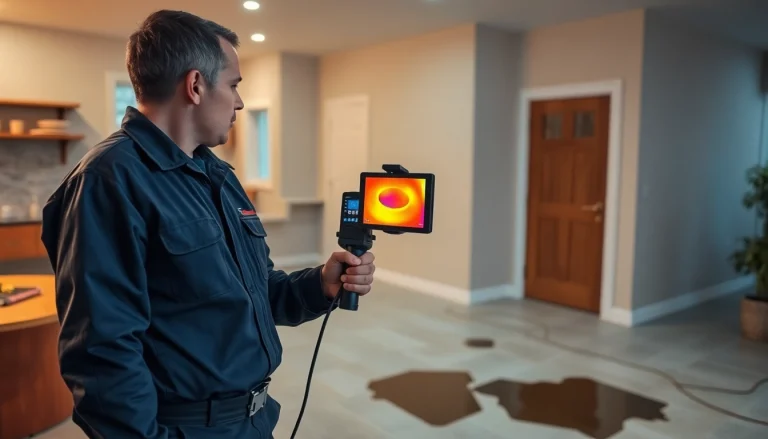

Understanding Power Flush: A Key to Leak Detection
In the realm of home maintenance, the significance of a thorough cleaning of your central heating system cannot be overstated. A power flush is an essential process that enhances not only the efficiency of heating systems but also significantly aids in leak detection. It is a technique that sends high-velocity water through the central heating system to remove debris, sludge, and other contaminants that can impede flow. By doing so, it unveils hidden leaks and potential issues that could escalate into major repairs if not addressed promptly. When exploring options, power flush provides comprehensive insights into the proactive measures you can take to safeguard your domestic environment.
What is a Power Flush?
A power flush essentially refers to the process of cleaning a central heating system using high-pressure water and specialized cleaning agents. This method is geared toward removing build-ups of rust, sludge, and debris that accumulate over time. Such residues can block radiators and pipes, leading to weak heating performance and increased energy bills. A power flush uses a pump to circulate water at high speeds, effectively loosening contaminants and flushing them out of the system. It’s often recommended as part of regular maintenance, particularly for older systems, to ensure optimal functionality.
Benefits of Power Flushing for Leak Detection
- Improved Heating Efficiency: By removing blockages, a power flush allows water to flow freely, which enhances heating efficiency throughout the home.
- Early Detection of Leaks: During the process, technicians can identify leaks hidden behind walls or under floors that may otherwise go undetected.
- Extending System Lifespan: Regular flushing can prolong the life of the heating system, avoiding expensive repairs or replacements in the future.
- Enhanced Air Quality: Eliminating mold and bacteria that thrive in stagnant water can improve indoor air quality.
How Power Flush Works in Homes
Power flushing typically involves several steps to ensure a thorough cleaning of the heating system. Initially, a technician will assess the system’s condition and determine the best cleaning agents to use. They will then connect a power flushing machine to the system, circulate the cleaning fluid, and use high-pressure water to dislodge and flush out the contaminants. The process may take several hours, depending on the size of the system and the extent of the contamination.
The Role of Power Flush in Preventing Damage
Identifying Early Signs of Leaks
Leaks can often begin as minor issues, easily overlooked until they escalate into significant damage. Power flushing serves as a preemptive measure by uncovering early signs of leaks, such as unexpected drops in water pressure, damp patches on walls or ceilings, and unusually high water bills. By addressing these signs early, homeowners can prevent critical issues such as mold growth, structural damage, and expensive repairs.
Cost Savings Associated with Power Flushing
Investing in a power flush can yield substantial cost savings over time. By improving heating efficiency, homeowners often see a noticeable decrease in their energy bills. Additionally, by detecting and rectifying leaks early, substantial savings can be achieved by avoiding extensive water damage repairs and costly replacements of heating elements. The initial cost of a power flush typically ranges from £300 to £800, depending on the property size, but it remains a worthy investment in long-term home maintenance.
Comparative Analysis: Traditional vs. Power Flush Methods
When considering traditional flushing methods—such as drain-and-refill techniques—versus power flushing, the advantages of a power flush become clear. Traditional methods may fail to remove substantial sludge and debris build-up effectively. In contrast, power flushing achieves a comprehensive clean by using high pressure and specific cleaning agents. This efficiency not only maximizes heating performance but also prioritizes leak detection within the system.
Step-by-Step Guide to Power Flushing a Central Heating System
Preparing for a Power Flush
Preparation is key to ensuring a successful power flush. First, the system should be assessed to identify existing issues and decide on a suitable flushing agent. Ensure that all radiators are accessible, and if necessary, bleed them beforehand to release any trapped air. A technician may also need to check the pressure gauge and thoroughly review the entire heating system for previous leaks or weak points.
Conducting the Power Flush Safely and Effectively
Once it’s time to conduct the flush, safety protocols must be adhered to, including wearing protective gear and ensuring that the workspace is safe. The technician will attach the flushing machine to the system’s flow and return pipes, circulate the cleaning solution, and monitor flow rates. During the process, they will repeatedly flush the system with clean water to ensure all contaminants are adequately expelled.
Post-Power Flush Inspection Procedures
After the power flush is completed, a thorough inspection of the heating system should follow. This includes checking for leaks, assessing water quality, and ensuring that all radiators are heating evenly. Additionally, it is advisable to check the pressure levels and make any necessary adjustments. A detailed report should be provided, documenting the process, findings, and recommendations for future maintenance.
Advanced Technologies Enhancing Power Flush Efficiency
The Future of Leak Detection Technologies
As technology evolves, so do the methods for effective leak detection and power flushing. Innovations such as automated flushing systems that can adjust pressure and flow based on real-time readings are becoming increasingly popular. Moreover, integrating artificial intelligence and machine learning can enhance accuracy in detecting leaks and optimizing flushing routines.
Integration of Smart Systems in Power Flushing
Smart home technology is revolutionizing the way heating systems function and how maintenance is performed. By integrating smart systems into central heating, homeowners can receive alerts on performance issues or potential leaks, prompting timely action. This proactive approach can significantly reduce the risk of serious damage and improve overall system efficiency.
Utilization of Real-Time Data for Leak Diagnosis
Real-time data analytics allow technicians to monitor heating systems continuously and make informed decisions about maintenance needs. Collecting data on flow rates, temperature variances, and pressure levels can provide insights into the system’s health and identify potential leaks, making the power flushing process more effective and efficient.
Frequently Asked Questions about Power Flush Services
How Much Does a Power Flush Cost?
The cost of a power flush varies based on multiple factors, including the size of the property and the complexity of the system. On average, homeowners can expect to pay between £300 and £800. However, this investment can save significantly by increasing heating efficiency and minimizing leak-related damage.
How Often Should You Consider a Power Flush?
Many experts recommend a power flush every four to six years, but this can vary based on the system’s age, type, and use. Regular assessments and monitoring are crucial in determining the right schedule for power flushing to ensure optimal performance.
Myths and Misconceptions about Power Flush
Despite the clear benefits, misconceptions about power flushing often circulate. A prevalent myth is that a power flush can damage heating systems; however, when conducted by qualified professionals, it is a safe and effective process. Another misconception is that only older systems require a power flush, when in fact, even new systems can benefit from regular maintenance to prevent sludge build-up and leaks.