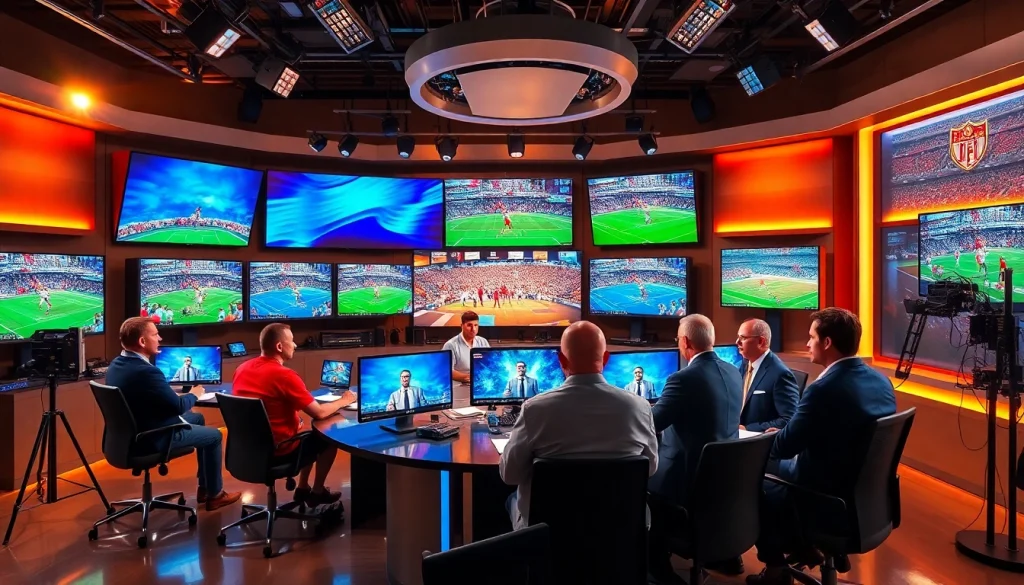
Introduction to Sports Broadcasting
In an era where sports transcend mere games to become cultural phenomena, Sports Broadcasting plays a vital role. It serves as the bridge connecting fans to the action, transforming local events into global spectacles. This intricate world merges journalism, entertainment, and technology, allowing audiences to experience sports in unprecedented ways. Understanding sports broadcasting is not just about knowing how games are transmitted; it encompasses the entire ecosystem that ensures viewers remain engaged and informed.
What is Sports Broadcasting?
Sports broadcasting refers to the transmission of live sports events via television, radio, and internet platforms. This genre of broadcasting not only relays the action on the field but also provides insightful commentary, analysis, and entertainment about the sports and athletes involved. Broadcasters contribute to shaping the narratives surrounding sports, influencing public perception and fan engagement with various formats, including pre-game shows, live updates, and post-match analysis.
History and Evolution of Sports Broadcasting
The history of sports broadcasting dates back to the early 20th century when radio stations began to air live sports commentary. Major milestones include the inaugural broadcast of a baseball game in the 1920s and the transition to television broadcasts in the 1940s. With the advent of cable networks in the 1980s and the rapid advancement of digital streaming, the sports broadcasting landscape has evolved significantly, introducing diverse formats and accessible content. The introduction of HD and 4K transmission, along with the rise of social media and streaming platforms, has not only expanded audiences but has also transformed viewer interactions with sports content.
The Role of Technology in Sports Broadcasting
Technological advancements have been fundamental to the evolution of sports broadcasting. From instant replay systems to augmented reality graphics that enhance viewer experience, technology continues to push the boundaries. Innovations such as drones for aerial views, mobile applications for real-time stats, and social media integrations allow fans to access information anytime. These technologies help broadcasters create immersive experiences that appeal to tech-savvy audiences, ensuring they remain a step ahead in the competitive landscape of media.
Key Elements of Effective Sports Broadcasting
Successful sports broadcasting hinges on multiple elements that collectively enhance viewer experience. Whether creating a passive or active viewing environment, these components are essential for maximizing engagement and delivering value to the audience.
Understanding Audience Engagement
Engaging an audience is more than just reporting scores. Effective broadcasters understand their audience’s preferences, using analytics to tailor content that resonates. They cultivate community through interactive features like opinions and viewer polls during broadcasts. This level of engagement fosters a sense of belonging, making fans feel like they are part of the event rather than mere spectators.
Importance of Clear Communication
Clear and concise communication is fundamental in sports broadcasting. Broadcasters must articulate plays, rules, and tactical nuances in ways that are easy for viewers, regardless of their knowledge level. Whether narrating an intense football game or explaining basketball strategies, effective communicators balance detail with accessibility. This clarity not only keeps viewers informed but also enhances their understanding and appreciation for the sport.
Visual Storytelling Techniques
Visual storytelling is a powerful tool in sports broadcasting. This involves combining dynamic graphics, statistics, and narrative elements to craft compelling stories around sporting events. Techniques such as slow-motion replays, player interviews, and behind-the-scenes footage enrich the viewer experience. Creative visuals keep the audience engaged, allowing them to see the passion and emotion that unfolds during live events.
Challenges in Sports Broadcasting
Despite its exciting nature, sports broadcasting faces numerous challenges that broadcasters must navigate. From technological limitations to audience expectations, success requires adapting strategies to meet evolving demands in real-time.
Keeping Up with Rapid Sports Developments
The fast-paced nature of sports means that developments occur continuously. A broadcaster must stay informed about player injuries, trades, and other significant events. This requires a robust network of sources and real-time updates to ensure accuracy. Failure to keep pace can lead to misinformation, affecting credibility and viewer trust. Continuous learning and adaptability are essential prerequisites for successful sports broadcasters.
Managing Live Broadcasting Logistics
Live broadcasting presents logistical challenges, including scheduling conflicts, location setups, and technical difficulties. Coordinating multiple camera feeds, ensuring transmission quality, and managing on-site personnel are just a few elements that require precise planning and execution. Successful broadcasters rely on teamwork and effective communication among crew members to minimize disruptions and maintain a seamless viewing experience.
Addressing Viewer Expectations
Today’s viewers have high expectations for content quality, interactivity, and immersive experiences. Broadcasters must continuously innovate to meet these demands, often incorporating feedback loops to improve their offerings. Understanding and exceeding viewer expectations not only ensures viewer loyalty but also builds a reputation in the competitive realm of sports broadcasting.
Best Practices for Aspiring Sports Broadcasters
Aspiring sports broadcasters can benefit significantly from adopting certain best practices that can catapult their careers. By honing specific skills and networking effectively, individuals can carve out a niche in this competitive industry.
Building an Engaging On-Screen Personality
Charisma and personality are crucial for sports broadcasters. It’s essential to be relatable, enthusiastic, and knowledgeable. Aspiring broadcasters should practice speaking clearly, adopting a dynamic presentation style, and developing a signature voice that resonates with audiences. Engaging with fans through social platforms can further establish personal branding and loyalty.
Developing Strong Research Skills
Comprehensive research is foundational in sports broadcasting. Broadcasters should be adept at gathering, analyzing, and interpreting data regarding players, teams, and sports events. Understanding historical context, recent trends, and tactical analysis should inform commentary and presentation. Research not only promotes credibility but also enriches the viewer experience by providing depth to discussions.
Networking within the Sports Industry
Building relationships within the sports industry can unlock numerous opportunities. Attending events, participating in forums, and engaging with professionals through social media platforms are excellent strategies. Networking allows aspiring broadcasters to learn from established professionals and stay informed about industry developments. These connections can lead to internships, mentorships, and job opportunities, anchoring a new career in sports broadcasting.
Future Trends in Sports Broadcasting
The future of sports broadcasting is promising, with new trends emerging that promise to reshape how content is produced and consumed. Understanding these trends is crucial for both established and aspiring broadcasters alike.
Impact of Streaming Services on Traditional Broadcasting
Streaming services have revolutionized sports broadcasting, offering viewers flexibility and personalized experiences. Traditional broadcasters face increased competition as consumers gravitate towards on-demand content. Partnerships between sports organizations and streaming platforms are becoming common to maximize reach and engagement. This trend implies that adaptability and innovation will be crucial for broadcasters aiming to thrive in the evolving landscape.
Emerging Technologies in Sports Fan Experience
Emerging technologies such as virtual reality (VR), augmented reality (AR), and artificial intelligence (AI) are set to redefine how fans interact with sports. These technologies aim to create immersive experiences that go beyond traditional viewing. Broadcasters who embrace such innovations can attract new audiences and enhance viewer loyalty by providing unique angles, insights, and interactions.
Shifting Viewer Preferences and Habits
The preferences and habits of sports viewers are continually changing. The rise of mobile viewing and shorter content formats (such as highlights or highlight reels) challenge broadcasters to adapt their strategies. Engaging content tailored for social media platforms is becoming essential. Broadcasters must remain attuned to these shifts to remain relevant and appeal to the next generation of sports fans.
Frequently Asked Questions
What skills do I need to become a sports broadcaster?
Essential skills include strong communication, analytical, and research abilities, along with an engaging on-screen personality and knowledge of various sports.
How important is networking for a career in sports broadcasting?
Networking is crucial as it opens doors to opportunities, connects you with industry professionals, and helps you stay updated on industry trends.
What role does technology play in sports broadcasting?
Technology enhances the viewer experience through improved graphics, real-time statistics, and interactive content, making broadcasts more engaging.
Are streaming platforms affecting traditional sports broadcasting?
Yes, streaming platforms provide flexible viewing and personalized experiences, increasing competition for traditional broadcasters.
How do I enhance audience engagement during broadcasts?
Engage your audience through interactive features like polls, viewer questions, and addressing real-time feedback on social media.