Understanding Free Computer Recycling
What is Free Computer Recycling?
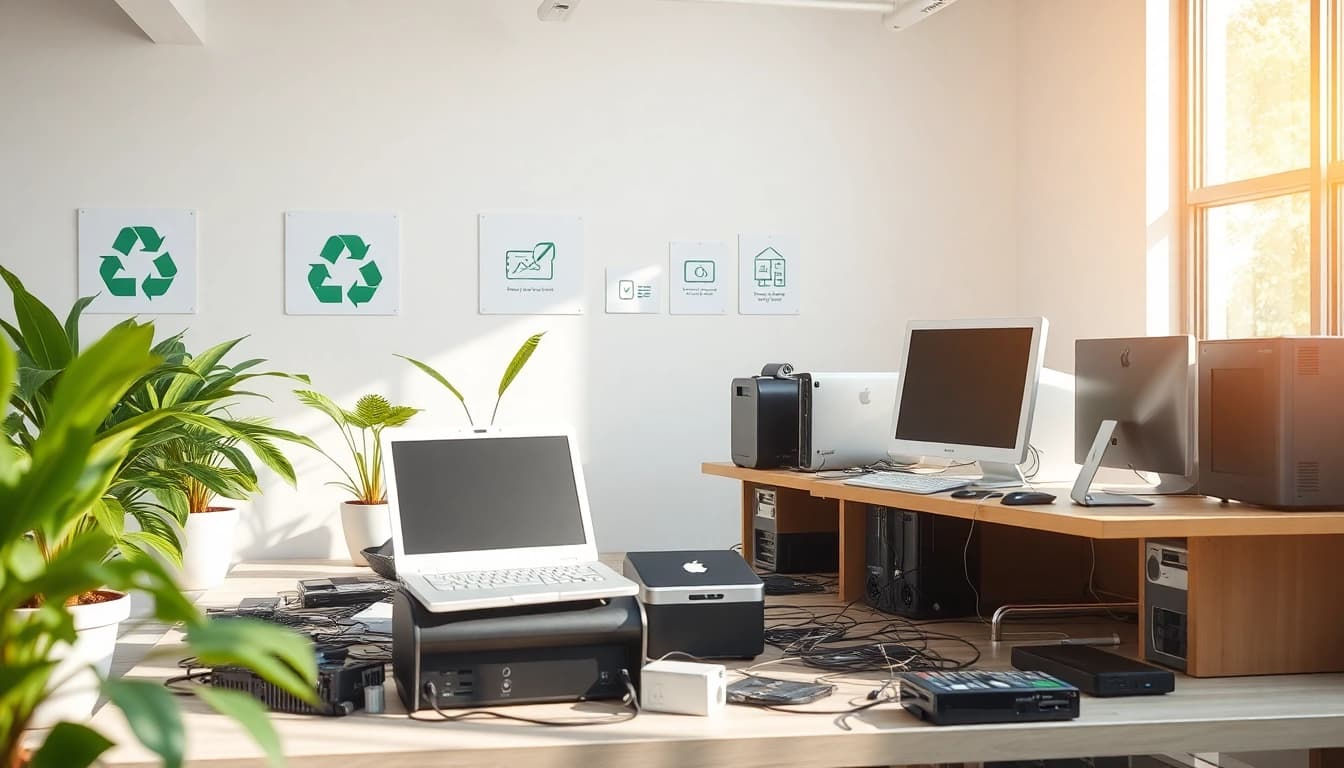
Free computer recycling is a responsible and environmentally-friendly method of disposing of old or unwanted electronics, specifically computers. This service allows individuals and businesses to recycle their electronic devices at no cost, ensuring they are disposed of in a way that minimizes their impact on the environment. By participating in these programs, people can contribute to reducing electronic waste or e-waste, which includes everything from computer parts to old peripherals, thereby promoting recycling and sustainable practices.
Importance of E-Waste Recycling
E-waste recycling is crucial in today’s technology-driven world. With rapid advancements in technology, electronic devices become obsolete quickly, leading to a significant accumulation of e-waste. Proper recycling helps recover valuable materials like metals and plastics, which can be reused in manufacturing new products. Furthermore, it reduces the amount of e-waste that ends up in landfills, where toxic substances can leach into the soil and water supply, posing serious environmental and health risks. To support sustainable efforts, exploring free computer recycling options for disposing old electronics is paramount.
Environmental Benefits of Recycling
The environmental benefits of recycling electronics are substantial. Recycling helps conserve natural resources, reduce greenhouse gas emissions, and save energy. For instance, recycling aluminum from old devices uses 95% less energy than creating aluminum from bauxite ore. Additionally, preventing e-waste from entering landfills protects ecosystems and reduces pollution. Proper e-waste management is essential in mitigating climate change and fostering a more sustainable future.
How to Find Free Computer Recycling Services
Local Recycling Programs
Many communities have established local recycling programs geared towards e-waste. These programs often offer free disposal of computers and other electronic devices. Residents can contact local governments or waste management departments to learn more about available services. Some municipalities host specific e-waste collection events, allowing individuals to drop off old technology conveniently and free of charge.
Community and Nonprofit Initiatives
Numerous charitable organizations and nonprofit groups provide e-waste recycling services at no cost. These initiatives often aim to support community development by repurposing electronics for educational purposes or distributing computers to those in need. Organizations may partner with local schools, charities, or environmental groups to encourage responsible recycling. Engaging with these nonprofits is not only beneficial for the environment, but it also fosters community support and collaboration.
Using Online Resources for Recycling Locations
The internet offers a wealth of resources for finding free computer recycling services. Websites dedicated to recycling information often list local and national recycling facilities, along with specific details on what items are accepted and the disposal process. Additionally, interactive maps can help users locate the nearest recycling centers, ensuring the recycling process is efficient and convenient. Utilizing these tools aids citizens in making responsible disposal choices.
Preparing Your Computer for Recycling
Data Wiping Best Practices
Before recycling any computer, it is crucial to secure personal and sensitive information. This process involves completely wiping the hard drive to ensure that no data can be recovered. Users can use data destruction software or perform multiple overwrites of the hard drive. Physical destruction of the drive can also be considered if privacy is a significant concern. Proper data management is essential in maintaining information security when recycling.
Components to Remove Before Recycling
Certain components should be removed from computers prior to recycling. For instance, batteries and hard drives often require separate disposal due to their toxic materials and data storage, respectively. Removing these items not only protects the environment but also allows for specialized recycling that maximizes material recovery. Users should check with local recycling facilities for specific guidelines on component removal to ensure compliance with relevant regulations.
Packaging for Safe Transport
When preparing a computer for recycling, proper packaging is essential to prevent damage during transportation. Using sturdy boxes, bubble wrap, or packing peanuts can help secure components. It is recommended always to label the package clearly and inform the recycling center about the contents during handover. Proper packaging ensures safe transport and minimizes the risk of losing or damaging the device while en route.
What Happens After Free Computer Recycling?
Reprocessing of Materials
Once computers are recycled, the materials undergo several processes for recovery. E-waste recyclers disassemble components to extract metals, plastics, and glass, which can be processed and repurposed into new products. High-demand materials such as gold, copper, and rare earth elements are often recovered. This reprocessing conserves natural resources and significantly reduces the environmental impact of producing new materials.
Impact on the Environment
Effective e-waste recycling leads to a positive impact on the environment. By recovering valuable materials and minimizing landfill waste, recycling reduces environmental pollution and conserves energy. Moreover, it prevents harmful substances in electronics, such as lead and mercury, from contaminating local ecosystems. Promoting responsible recycling practices is vital for creating a healthier planet for future generations.
Supporting Community Projects
Recycling electronics often supports various community projects. Many programs collect e-waste and refurbish usable devices to donate to local schools and underprivileged individuals. In this manner, recycling aids in bridging the digital divide by providing access to technology that might otherwise be unattainable. Additionally, these initiatives foster environmental awareness and education in community members, creating a culture of sustainability.
Frequently Asked Questions about Free Computer Recycling
What can I recycle for free?
You can recycle various electronic devices for free, including computers, laptops, monitors, printers, and peripherals such as keyboards and mice. Contact local recycling centers for specifics on accepted items.
How do I find nearby recycling centers?
Finding nearby recycling centers can be done by checking with local government websites, electronic recycling directories, or searching online for local e-waste collection events. Resources are easily accessible.
Is data destruction guaranteed?
While many recycling centers take precautions to ensure data is destroyed, it's best to perform data wiping yourself before recycling. Asking for proof of data destruction is recommended if concerned about security.
Can I recycle outdated electronics?
Yes, outdated electronics can often be recycled. Check with local recycling facilities to confirm whether they accept older models and devices for recycling or refurbishment.
What should I do with non-functional devices?
Non-functional devices can still be recycled through specialized facilities that focus on parts recovery. Some programs refurbish broken devices, while others can dismantle them for parts recycling.