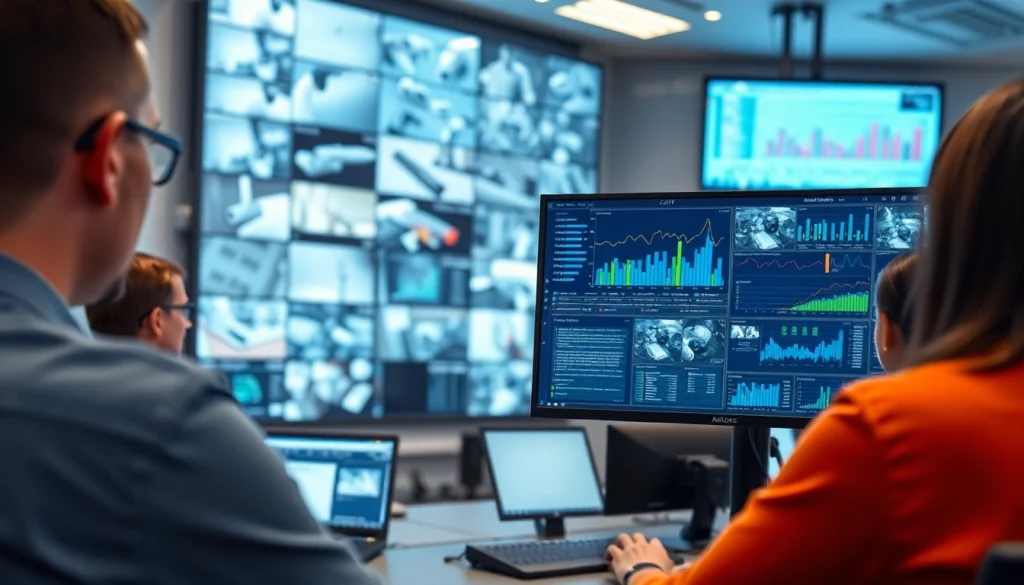
Introduction to Types of CCTV Analytics
As the demand for effective security measures continues to rise across various sectors, the integration of advanced technologies has paved the way for innovative solutions. Central to these solutions is CCTV analytics, a powerful tool that enhances surveillance capabilities. Understanding the Types of CCTV analytics available is crucial for anyone serious about bolstering their security infrastructure.
What is CCTV Analytics?
CCTV analytics refers to the application of sophisticated algorithms and technologies that analyze video footage from surveillance cameras. It processes video data in real-time or post-event to derive meaningful insights. Through techniques such as pattern recognition, motion detection, and machine learning, CCTV analytics enables users to detect anomalies, track movements, and gather various data points that enhance situational awareness.
The Importance of Analytics in Security Systems
The significance of CCTV analytics in modern security systems cannot be overstated. Traditional surveillance offers static monitoring; however, CCTV analytics transforms this model. By automating processes like incident detection and person recognition, CCTV analytics reduces reliance on human operators and enhances response times. This translates to improved safety, minimized risks, and better resource allocation in security operations, making it an indispensable element in both commercial and residential environments.
Overview of Different Types of CCTV Analytics
CCTV analytics can be broadly categorized based on their functionalities. Each type serves specific security needs, leveraging sophisticated technologies to boost effectiveness. Understanding these types allows security professionals to tailor their approaches to meet specific challenges. The following sections will delve into these various types of CCTV analytics, exploring their roles and applications in improving security protocols.
Active Monitoring Analytics
Real-Time Motion Detection
Real-time motion detection is one of the most fundamental functionalities of CCTV analytics. It utilizes algorithms to detect motion within a defined area, sending alerts when unusual activity is identified. This capability is highly beneficial for preventing unauthorized access and monitoring sensitive areas.
Instead of recording hours of footage for review, real-time motion detection allows security personnel to focus their attention on relevant incidents as they occur. This leads to quicker response times and increased operational efficiency. Moreover, refined algorithms can differentiate between human movement and non-threatening movements such as animals or environmental factors, reducing false alarms and unnecessary interventions.
Facial Recognition Technology
Facial recognition technology takes CCTV analytics to the next level by identifying individuals based on their facial features. This technology employs machine learning algorithms to create a database of faces and match them against the footage captured by CCTV cameras.
Facial recognition is not only used for security and surveillance but also for access control in high-security areas. Organizations can track who entered or exited a location and establish accountability. The implications for law enforcement are significant, allowing for rapid identification of known offenders and missing persons, ultimately leading to enhanced public safety.
License Plate Recognition Systems
License plate recognition (LPR) utilizes optical character recognition to read and analyze license plates of vehicles. Frequently implemented in parking management systems, toll collections, and law enforcement, LPR makes vehicle monitoring efficient and user-friendly.
By storing and analyzing data on vehicle movements, organizations can enhance security by tracking stolen cars or identifying vehicles entering restricted zones. Additionally, integrating LPR with other security measures can bolster situational awareness and improve emergency response strategies.
Behavioral Analysis in CCTV Systems
People Counting and Occupancy Detection
Understanding how many people are in a specific area at any given time is essential for effective crowd management. People counting and occupancy detection technologies use video analytics to provide real-time data on foot traffic. This information is invaluable for retail businesses, public transport systems, and event venues, helping to maximize resource allocation and enhance customer experience.
Moreover, establishing occupancy levels helps organizations adhere to safety regulations, especially in emergency situations where evacuation may be necessary. By feeding this data back into management systems, organizations can optimize layouts and service delivery based on observed patterns.
Queue Management and Analysis
Queue management and analysis using CCTV analytics enables organizations to monitor waiting times in real-time, allowing for more efficient service flow. This technology identifies how long customers wait for services and helps identify bottlenecks in service areas.
Through historical data analysis, businesses can anticipate high-traffic periods and adjust staffing accordingly. Improved customer satisfaction is a direct result of reducing wait times, which is particularly essential in sectors such as retail, banking, and healthcare.
Incident Detection Algorithms
Incident detection algorithms play a critical role in identifying specific events that may indicate security threats. These algorithms are designed to recognize patterns that suggest dangerous activities, such as violence, loitering, or vandalism.
By employing these algorithms, organizations can proactively manage incidents. Alerts can be generated and dispatched to security personnel instantly, allowing for immediate intervention. The ability to categorize incidents enhances the overall security framework, allowing organizations to fine-tune their response strategies.
Video Content Analysis (VCA)
Overview of VCA Techniques
Video content analysis (VCA) encompasses a range of techniques that automatically analyze video footage to extract valuable insights. VCA enhances traditional video monitoring by identifying patterns, objects, and behaviors without the need for constant human oversight.
Techniques within VCA include object tracking, event detection, and scene change detection. These tools allow organizations to sift through large volumes of video data, providing easy access to the most relevant information when needed. As a result, VCA plays an essential role in improving the efficiency of surveillance operations.
Using AI in Video Content Analysis
Artificial intelligence (AI) has revolutionized VCA by significantly enhancing pattern recognition and predictive analysis capabilities. AI algorithms analyze vast streams of data, enabling systems to continuously learn and improve from previous encounters.
With AI integration, VCA systems can adapt to new circumstances, making them invaluable in dynamic environments. For example, AI can help identify unusual patterns of behavior or changes in traffic flow, allowing stakeholders to proactively mitigate potential risks.
Key Benefits of VCA in CCTV
The benefits of video content analysis in CCTV are multifaceted. Beyond traditional monitoring, VCA enhances operational capabilities by providing actionable insights to decision-makers. Enhanced situational awareness leads to informed responses in real-time, while automated reporting saves valuable time for security personnel.
Furthermore, improving efficiency reduces costs in the long term. Organizations that have deployed VCA typically report higher levels of security effectiveness, better resource utilization, and enhanced public trust due to transparency in security operations.
Future Trends in CCTV Analytics
Integration of Machine Learning
The future of CCTV analytics is bright with the continued integration of machine learning technologies. Machine learning enables systems to not only process data but also to learn from it, improving accuracy over time. This evolution means that CCTV systems can become smarter, identifying patterns and anomalies with minimal human intervention, thereby significantly enhancing security measures.
As these technologies develop, organizations can expect increased automation in surveillance systems, resulting in better overall security. The implementation of machine learning facilitates predictive analytics, enabling organizations to anticipate potential security breaches before they occur.
Cloud-Based Analytics Solutions
Cloud-based analytics solutions are transforming how CCTV data is stored and analyzed. Leveraging cloud technology allows organizations to handle vast amounts of video data without the constraints of on-site storage. This flexibility not only reduces hardware costs but also enables quick access to data anytime, anywhere.
Security teams can analyze footage remotely and collaborate on incidents in real-time, enhancing coordination during critical events. With scalable cloud options, organizations can adjust their storage and analytical capabilities as needs evolve, creating a more robust security infrastructure.
Enhancements in Data Privacy and Security
With the proliferation of surveillance technology, data privacy and security become paramount. Future trends will likely focus on enhancing encryption standards and data handling practices, ensuring that personal information is protected against unauthorized access.
Organizations will be required to navigate regulations regarding video data privacy while still gaining valuable insights from their surveillance systems. Increased transparency in data collection practices will also bolster public trust, as concerns around surveillance technology continue to rise.
Frequently Asked Questions
What exactly are CCTV analytics?
CCTV analytics refer to advanced algorithms and technologies that analyze video footage from surveillance cameras to extract actionable insights such as movement detection, facial recognition, and behavioral analysis.
How does real-time monitoring improve security?
Real-time monitoring allows immediate alerts for any suspicious activity, enabling faster response times by security personnel, which ultimately enhances overall safety and security.
What are the benefits of facial recognition technology?
Facial recognition can identify individuals quickly, improving access control and helping law enforcement track missing persons or known criminals effectively.
How can video analytics enhance customer service?
By utilizing people counting and queue management, businesses can optimize service delivery, reduce wait times, and enhance overall customer experience through efficient resource allocation.
What are the future trends in CCTV analytics?
Future trends include increased integration of machine learning for smarter analytics, cloud-based solutions for data management, and enhancements in data privacy and security standards.